
Percentage to Letter Grade
Converting a percentage into a letter grade is one of the easiest ways to understand academic performance. A % to letter grade converter helps students, teachers, and parents quickly determine whether a score represents an A, B, C, D, or F. Instead of manually comparing percentages against grading scales, a converter provides instant results. It removes confusion and saves valuable time during exams and grading periods. Whether you are calculating homework, quizzes, or final exam results, understanding letter grades is essential.
Educational institutions around the world use different grading systems, but most follow a similar percentage-based structure. A percentage score provides a numerical result, while a letter grade summarizes overall performance in a simple format. Universities, colleges, and schools often display letter grades on transcripts because they are easier to interpret. Employers and scholarship committees also recognize letter grades during evaluations. Knowing how to convert percentages into letter grades helps students better understand their academic standing.
What Is a Percentage to Letter Grade Converter?
A percentage to letter grade converter is a tool that translates a numerical percentage into its corresponding letter grade. Instead of checking grading charts manually, users simply enter their percentage score and receive an instant result. This makes grade interpretation faster and more convenient for students and educators. It also reduces the risk of calculation errors that may occur with manual conversion. A reliable converter simplifies academic evaluation for all users.
Most converters follow standard grading scales that classify percentages into letter categories such as A, B, C, D, and F. Although grading policies vary between institutions, the underlying concept remains the same. High percentages correspond to higher letter grades, while lower percentages receive lower grades. Understanding this relationship allows students to monitor their academic progress more effectively. It also helps them set realistic performance goals throughout the school year.

Percentage to Letter Grade Chart
| Percentage | Letter Grade |
|---|---|
| 97–100 | A+ |
| 93–96 | A |
| 90–92 | A- |
| 87–89 | B+ |
| 83–86 | B |
| 80–82 | B- |
| 77–79 | C+ |
| 73–76 | C |
| 70–72 | C- |
| 67–69 | D+ |
| 65–66 | D |
| Below 65 | F |
The table above represents one of the most commonly used grading systems in schools and universities. Some educational institutions adjust these ranges slightly according to their academic policies. A few colleges may classify an 89 percent score as an A rather than a B+. Because grading systems vary, students should always verify their institution’s official scale. This chart provides a reliable general reference for most academic situations.
Using a grading chart makes it easy to compare scores without performing calculations. Students can instantly identify where they stand academically after receiving test results. Teachers often include grading scales in course outlines and syllabi for transparency. Parents also use these charts to better understand report cards. A simple table removes confusion and improves communication between schools and families.
Common Letter Grade Scale
Letter grades summarize academic performance using a standardized format that is easy to understand. The highest grades indicate excellent mastery of the subject, while lower grades reflect areas requiring improvement. This grading method allows instructors to communicate student achievement efficiently. Most universities convert letter grades into GPA values for transcript purposes. Students should understand both systems because they are closely related.
The A grade typically represents exceptional performance with a strong understanding of course material. B grades indicate above-average achievement, while C grades reflect satisfactory completion of learning objectives. D grades often represent the minimum passing standard depending on institutional policies. An F grade generally indicates failing performance that requires course repetition or additional study. Understanding these categories helps students evaluate their academic progress accurately.
How to Convert Percentage to Letter Grade
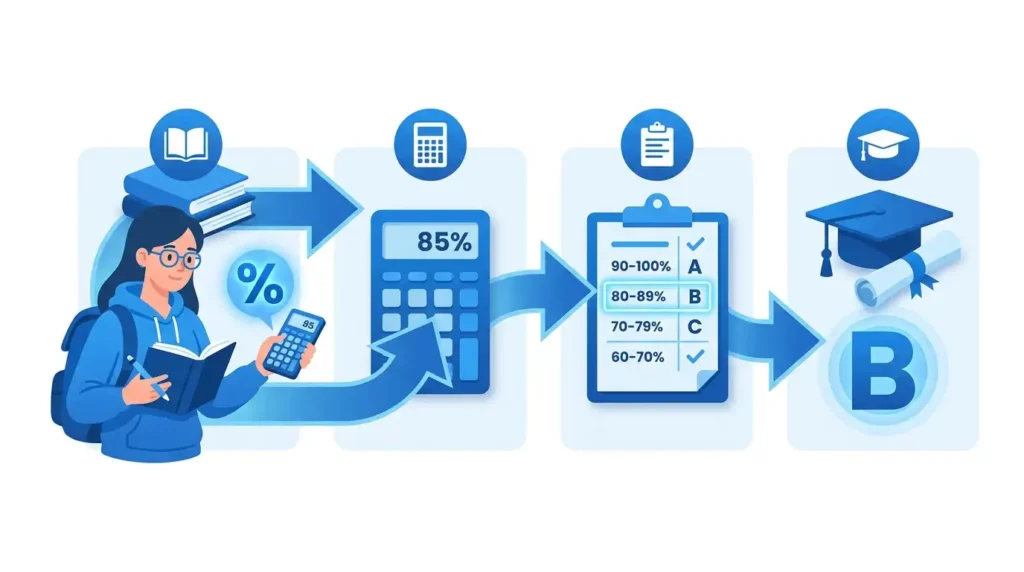
Converting a percentage into a letter grade is a straightforward process when a grading scale is available. First, determine your final percentage score from assignments or examinations. Next, compare that percentage with your institution’s grading chart. Locate the corresponding percentage range and identify the assigned letter grade. This simple comparison provides an accurate academic evaluation.
Many students prefer using an online % to letter grade converter because it eliminates manual comparisons and speeds up the process. Entering a percentage produces an immediate result without requiring calculations. Online tools also reduce mistakes that can occur when reading grading tables incorrectly. They are especially useful during final examinations and semester evaluations. Instant conversion allows students to focus more on academic improvement than on calculations.
What Letter Grade Is 90%?
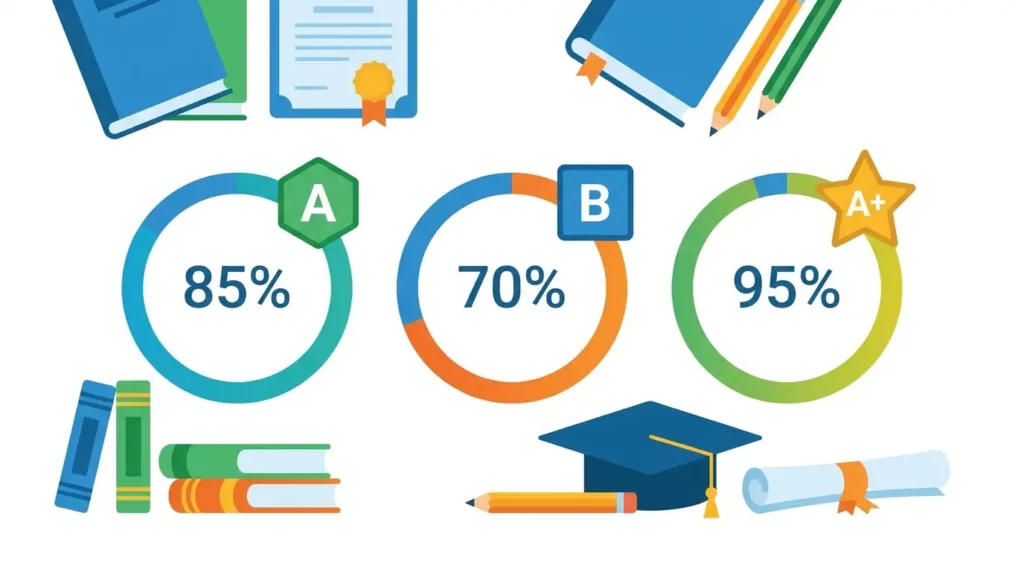
A score of 90 percent generally falls within the A- or A range depending on the grading scale adopted by an educational institution. Many schools classify 90 percent as an A-, while others consider it a full A grade. This score reflects strong academic achievement and consistent understanding of course material. Students earning 90 percent are often among the highest performers in their classes. Always verify your institution’s grading policy for precise classification.
What Letter Grade Is 85%?
An 85 percent score commonly corresponds to a B grade under standard grading systems. Some institutions may classify this score as a B+, reflecting above-average academic performance. Students achieving this result demonstrate solid knowledge and effective learning habits. A small improvement could elevate the score into the A category depending on grading policies. Monitoring grades throughout the semester helps maintain strong academic standing.
What Letter Grade Is 80%?
An 80 percent score typically converts to a B- or B letter grade. This percentage indicates satisfactory to above-average performance in many educational systems. Students who consistently achieve this score demonstrate a good understanding of the subject matter. It also satisfies progression requirements for many academic programs. Reviewing mistakes and strengthening weak areas can help improve future performance.
What Letter Grade Is 75%?
A score of 75 percent usually falls into the C grade category under many grading scales. This represents average academic performance and satisfactory completion of coursework. Students receiving this score should identify areas for improvement to reach higher grade levels. Regular practice and effective study techniques can increase future percentages. A grading chart makes tracking progress easier throughout the academic year.
What Letter Grade Is 70%?
A 70 percent score generally represents a C- grade in standard grading systems. It is often considered the minimum acceptable performance for passing a course. Although this score satisfies basic academic requirements, many competitive programs expect higher grades. Students should review assignments carefully and seek additional guidance when necessary. Consistent improvement can significantly increase future academic opportunities.
What Letter Grade Is 65%?
A score of 65 percent often corresponds to a D grade depending on institutional grading policies. Some schools consider this the minimum passing grade, while others require higher percentages. Students receiving this result should focus on strengthening their understanding of core concepts. Additional study sessions and instructor feedback can improve future performance. Knowing the grading scale helps establish realistic academic goals.
Percentage to Letter Grade Calculator
A percentage to letter grade calculator automates the conversion process and provides immediate results. Students only need to enter a numerical percentage to determine the corresponding letter grade. These calculators eliminate manual comparison with grading charts and reduce calculation errors. They are widely used by students preparing for examinations and teachers verifying final grades. Instant conversion tools make academic planning faster and more efficient.
Many calculators also help students estimate future grades by testing different percentage scenarios. This feature allows users to understand how small improvements can affect their final letter grade. Planning ahead encourages better study habits and goal setting. Combining a calculator with a grading chart provides the most reliable understanding of academic performance. A quality conversion tool is an excellent resource throughout the school year.
Frequently Asked Questions
Is a Percentage to letter grade converter accurate?
Yes. It is accurate when it uses the same grading scale as your school or university.
Do all schools use the same grading scale?
No. Many institutions adjust percentage ranges slightly, so you should always check your official grading policy.
Can I convert any percentage into a letter grade?
Yes. Any numerical percentage can be converted into a letter grade when an appropriate grading scale is available.
Why are letter grades important?
Letter grades provide a standardized way to summarize academic performance and are commonly used for transcripts, admissions, and scholarships.
What is the easiest way to convert a percentage into a letter grade?
The easiest method is to use a % to letter grade converter or compare your score against a standard percentage-to-letter-grade chart.
Conclusion
A % to letter grade converter provides a fast and reliable way to understand academic results without complicated calculations. Whether you are reviewing exam scores, preparing for college applications, or tracking classroom performance, converting percentages into letter grades makes evaluation much simpler. Combined with a standard grading chart, a converter helps students set academic goals and measure progress throughout the year. Since grading policies differ between institutions, always compare your results with your school’s official grading scale. Using the right tools and understanding the grading system can help you make informed decisions about your education.